


How Digital Manufacturing Supports Progressive Eyewear
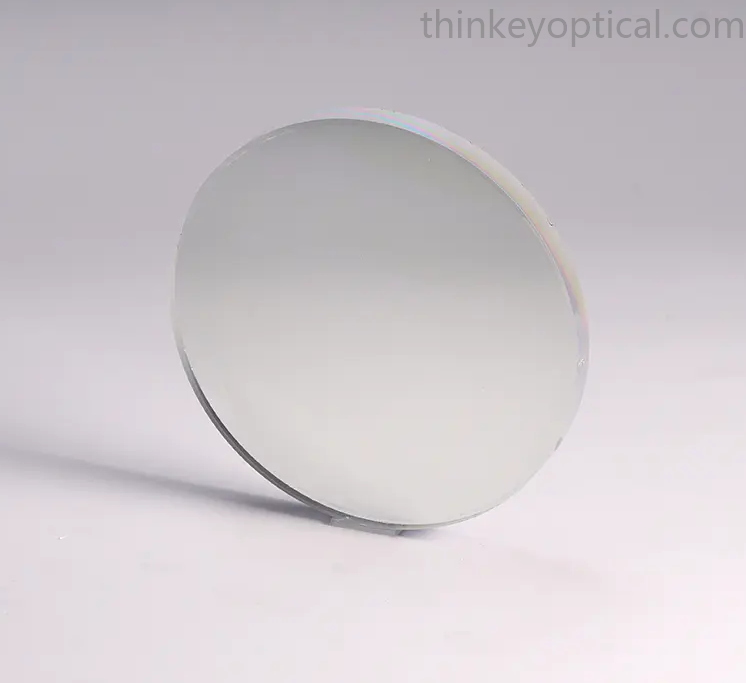
Modern optical engineering increasingly combines different functions within a single product, and Photochromic Progressive technology demonstrates how adaptive materials can be integrated with sophisticated multifocal optical design. For international optical businesses, understanding the interaction between lens geometry, photo-responsive materials, coatings, digital processing, and quality control is valuable when evaluating products and selecting manufacturing partners.
Progressive optical design uses a gradual change in lens power across the surface to support different viewing distances. Unlike designs with visible dividing lines, progressive geometry requires carefully controlled surface calculations. Digital design systems can translate prescription information and optical requirements into production data, allowing manufacturers to process complex surfaces with greater flexibility.
Photochromic technology adds a light-responsive function to the lens. Specialized molecules within the optical material can respond to suitable ultraviolet exposure, producing a reversible change in lens darkness. When the activating exposure decreases, the material gradually returns toward a clearer condition. The response can vary according to temperature, light conditions, material formulation, lens design, and manufacturing processes.
Combining progressive geometry with photo-responsive materials creates specific material considerations. The substrate needs to support the intended optical design while remaining compatible with the photochromic system and any surface treatments. Material consistency is important because variations can influence optical clarity, transition behavior, processing characteristics, and coating adhesion.
Digital surfacing technology is particularly important for progressive products. Computer-controlled equipment can create complex lens surfaces based on digital calculations. This approach allows manufacturers to manage customized designs and different prescription requirements within a structured workflow. Accurate data transmission between design software and processing equipment is essential for maintaining consistency.
Equipment calibration and maintenance also influence manufacturing quality. Precision surfacing systems must operate within appropriate conditions, while tooling and production parameters need to be monitored. Skilled technicians can review production results and identify deviations that may not be apparent through automated systems alone. Effective manufacturing therefore combines digital technology with technical oversight.
After surfacing, polishing and finishing prepare the lens for additional processing. Surface quality is important because irregularities may influence appearance or coating performance. Intermediate inspections can help manufacturers identify defects before further stages are completed. This reduces the possibility of carrying an early-stage problem through the entire production cycle.
Coating compatibility requires particular attention when multiple optical functions are involved. Manufacturers may apply hard coatings, anti-reflective treatments, or other specialized layers depending on the product requirements. The substrate, coating materials, cleaning process, deposition method, and curing conditions all need to work together. Poor compatibility or inconsistent preparation can affect the final surface quality.
Environmental conditions are also relevant to photo-responsive optical products. Temperature can influence the behavior of photochromic materials, while ultraviolet exposure differs between indoor and outdoor environments and across geographic regions. Manufacturers serving international markets should understand these differences when evaluating product performance and communicating realistic expectations to buyers.
Quality control should cover both the optical design and the physical condition of the finished product. Manufacturers can review incoming materials, prescription information, digital production data, surface processing, coatings, edging, and final appearance. A traceable inspection system makes it easier to identify where a deviation occurred and supports corrective action when necessary.
International buyers should establish clear technical specifications before production begins. These specifications may include prescription information, progressive design requirements, material selection, coating preferences, packaging, labeling, and inspection standards. Approved samples can provide a useful reference for appearance and processing expectations, particularly when launching a customized product program.
Customization can support different market requirements. Some buyers may prefer specific lens appearances or coating combinations, while others may require private-label packaging or particular optical designs. Manufacturers should evaluate customization requests from both technical and production perspectives before confirming orders. Early feasibility discussions can reduce unnecessary revisions and improve project coordination.
Automation can further support complex optical workflows. Digital order management, computerized surfacing, automated edging, and inspection technologies can reduce repetitive manual tasks and improve production traceability. Nevertheless, equipment maintenance, calibration, process monitoring, and trained personnel remain essential for maintaining stable manufacturing conditions.
For businesses evaluating Photochromic Progressive products, it is useful to view the technology as an integrated optical system rather than simply combining two product features. Progressive geometry, photochromic materials, digital surfacing, coatings, environmental factors, and quality assurance all interact during production. Understanding these relationships helps buyers make more informed sourcing decisions and communicate technical requirements clearly.
Thinkey Optical Co.,Ltd supports international optical businesses with manufacturing solutions for progressive designs, adaptive optical technologies, and customized lens applications. Companies interested in exploring professional optical production capabilities can visit https://www.thinkeyoptical.com for further information.


 English
 French
 Spanish
 Portuguese
 Deutsch
 Turkish
 Dutch
Dutch
 Italiano
 Russian
 Romaian
 Portuguese (Brazil)
 Greek
Greek