


How Can Ballvalveballs Custom Ball Valve Ball Material Fit Projects
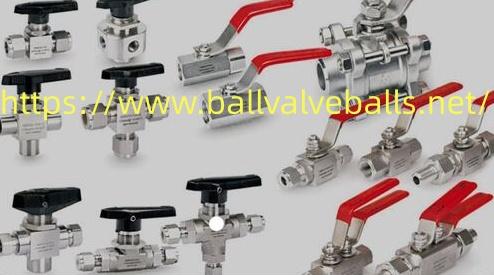
Custom Ball Valve Ball production involves more than shaping a metal sphere. The selected material needs to correspond with the medium passing through the assembly, surrounding temperature, pressure conditions, corrosion exposure, operating frequency, and contact requirements. Stainless steel, carbon steel, alloy steel, duplex grades, and selected nickel based materials can all be considered for different applications. The appropriate choice depends on the actual working environment and the construction of the complete assembly.
Stainless Steel For Corrosion Sensitive Applications
Stainless steel can be considered when resistance to moisture and corrosive environments is important. Different grades offer different combinations of corrosion behavior, mechanical characteristics, machinability, and temperature suitability.
A buyer working with clean industrial fluids may have different requirements from a company handling chemical media. The grade should therefore correspond with the actual fluid rather than simply relying on a general material category.
Surface condition also matters. A carefully finished spherical surface can be important where controlled contact with another component is required.
Carbon Steel For Suitable Conditions
Carbon steel can be considered for applications where the surrounding conditions are compatible with its characteristics. It is widely processed through machining, forging, and other established manufacturing methods.
When corrosion exposure becomes a concern, an additional surface treatment may be considered. The treatment should correspond with the operating environment and intended contact conditions.
Buyers should provide information about the working medium, temperature, pressure, and surrounding atmosphere before selecting a particular grade.
Alloy Steel For Specific Requirements
Alloy steel contains additional elements that can modify characteristics such as hardness, strength, toughness, and resistance to particular operating conditions.
This material group can be considered when a project requires characteristics beyond those associated with basic carbon steel. However, selection should not depend on hardness alone.
Heat treatment, machining, surface finishing, and dimensional control can all influence the final component. A suitable production process should therefore be considered together with the selected grade.
Duplex Grades For Combined Requirements
Duplex stainless materials can be considered when a project requires a combination of corrosion resistance and mechanical properties. Their structure differs from conventional austenitic stainless materials, making them suitable for selected industrial environments.
They may be considered for applications involving moisture, saline conditions, process chemicals, or other environments where material selection requires additional attention.
Because material behavior depends on the exact grade and operating conditions, buyers should provide detailed application information before confirming a duplex material.
Nickel Based Materials For Specialized Conditions
Certain process environments involve aggressive chemicals or elevated temperatures that require specialized material options. Nickel based alloys can be considered when conventional steel grades may not provide the required combination of properties.
Nickel chromium and nickel molybdenum alloys represent examples within this material family. The actual selection depends heavily on the process medium and temperature.
These materials can also require different machining and finishing approaches. Buyers should therefore consider production feasibility alongside the intended operating environment.
Surface Treatment Is Part Of Material Planning
The base metal is only one part of component design. Surface treatment can modify characteristics at areas that contact other internal parts.
Depending on the application, options can include polishing, plating, hard facing, or other engineered treatments. The purpose is not simply visual improvement. Surface engineering can address requirements involving friction, wear, corrosion, or contact behavior.
The treatment should always be evaluated together with the underlying material and the intended operating environment.
Dimensional Accuracy Should Not Be Overlooked
A spherical component needs to correspond closely with its mating parts. Diameter, roundness, bore position, surface finish, and connection geometry can all influence assembly.
For customized production, drawings and samples can provide useful references. Buyers should clearly identify important dimensions and tolerance requirements before manufacturing begins.
Inspection can then focus on characteristics that matter for the intended assembly rather than relying solely on visual checks.
Application Conditions Guide Selection
A practical selection process begins with the working environment. Buyers should consider what passes through the assembly, how hot or cold the process becomes, what pressure the system experiences, and whether solid particles are present.
The frequency of opening and closing can also matter. A component used occasionally may face different mechanical demands from one operating repeatedly throughout a production cycle.
Installation conditions, surrounding humidity, maintenance practices, and expected service procedures can provide additional information for material assessment.
Customized Production Requires Clear Communication
Customized components are developed around specific assembly requirements. Communication between the buyer and manufacturer should therefore cover more than a material name.
Useful information can include drawings, existing samples, application descriptions, connection details, surface requirements, dimensional tolerances, and inspection expectations.
Ballvalveballs can work with buyers evaluating these factors when planning customized spherical components for industrial assemblies. This gives both sides a clearer basis for discussing material and manufacturing choices.
How Buyers Can Compare Material Options
Instead of asking which material is universally suitable, buyers can compare each option against the conditions of the intended project.
A practical assessment can include process medium, temperature, pressure, corrosion exposure, and mechanical requirements. Buyers can then add dimensional requirements, surface treatment, machining method, and inspection needs.
This process can help narrow the material selection without relying on assumptions based only on price or appearance.
Material Selection Should Follow The Application
Different industrial environments create different requirements, so material selection should remain connected to actual operating conditions. Stainless steel may suit one project, while carbon steel, alloy steel, duplex material, or a nickel based option may suit another.
The manufacturing process also deserves attention because casting, forging, machining, grinding, and finishing can influence the final component.
Ballvalveballs provides options for buyers evaluating customized spherical components according to material requirements, dimensional needs, surface conditions, and assembly applications.
For companies planning customized industrial projects, the product information available at https://www.ballvalveballs.net/ can be reviewed alongside the required material, application environment, dimensional information, and assembly requirements.


 Arabic
 French
 Spanish
 Portuguese
 Deutsch
 Turkish
 Dutch
Dutch
 Italiano
 Russian
 Romaian
 Portuguese (Brazil)
 Greek
Greek