


Engineering Principles Behind Reliable Pump Operation
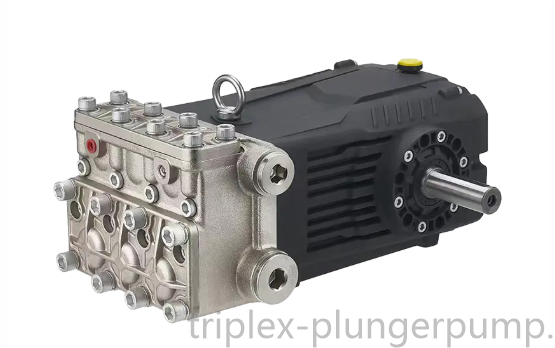
Reliable fluid movement is essential across manufacturing, water treatment, cleaning, and many other industrial processes. Pumping equipment must work consistently while responding to different fluid characteristics and operating environments. For this reason, engineers consider mechanical construction, hydraulic efficiency, material compatibility, and maintenance when developing suitable equipment. The Piston Pump is widely associated with applications requiring controlled fluid displacement and dependable hydraulic operation.
The basic operating principle uses reciprocating movement to transfer fluid through a controlled cycle. As the piston moves within its working chamber, fluid enters and is subsequently displaced through the relevant flow path. This mechanical process provides a structured approach to fluid transfer and can be adapted to various industrial applications through appropriate system design.
Hydraulic efficiency is strongly influenced by internal flow geometry. Fluid passages should be designed to encourage smooth movement and minimize unnecessary resistance. Effective coordination between the pumping chamber, valves, and connected piping can help maintain stable fluid behavior. Proper hydraulic design is therefore important for achieving consistent operation and reducing avoidable energy losses.
Material selection also plays a significant role. Industrial fluids vary considerably in chemical composition, temperature, cleanliness, and other characteristics. Components that contact the medium need to be compatible with the application environment. Appropriate material choices can help limit corrosion, wear, and surface degradation, supporting reliable operation over extended periods.
Mechanical stability is another key consideration. Reciprocating movement creates repeated forces within the equipment, making accurate alignment and component coordination important. Precision manufacturing helps ensure that moving parts operate correctly and reduces unnecessary mechanical stress. A well-balanced structure can also help limit vibration and improve the overall operating experience.
Industrial applications cover a broad range of processes. Manufacturing facilities may use reciprocating pumping systems for production equipment, process circulation, and specialized fluid handling. Cleaning operations can require dependable fluid movement for equipment maintenance and surface treatment. Water-related industries may also use such equipment for circulation, transfer, and other process requirements.
Chemical processing requires particularly careful equipment selection. Different fluids can interact with metals, seals, and other components in different ways. Engineers should therefore evaluate the complete operating environment before selecting materials and equipment. Compatibility between the pumping system and the process medium is essential for maintaining reliability.
Maintenance planning contributes significantly to long-term equipment performance. Regular inspection can help identify wear in moving components, valves, seals, and connections. Practical equipment construction can make these checks easier and allow maintenance teams to address potential issues before they affect production. A proactive maintenance approach can help reduce unexpected interruptions.
Energy efficiency has become an increasingly important consideration in industrial equipment selection. Mechanical friction, hydraulic resistance, and inefficient system layouts can all increase energy demand. Careful engineering can reduce unnecessary losses and help the pumping system operate more effectively within the wider fluid circuit.
Manufacturing technology continues to improve reciprocating pumping equipment. More accurate machining, improved materials, and better hydraulic analysis enable manufacturers to optimize internal structures and improve component coordination. These developments allow equipment to serve increasingly diverse industrial applications while maintaining dependable operating characteristics.
FEIKE combines engineering knowledge with practical fluid handling requirements to develop pumping solutions for industrial users. Attention to materials, hydraulic design, mechanical construction, and maintenance helps support equipment suitable for different production environments and process conditions.
For applications requiring controlled reciprocating fluid displacement and dependable hydraulic operation, the Piston Pump can be integrated into a wide range of industrial systems, while users can explore FEIKE's broader pumping solutions at https://www.triplex-plungerpump.com/product/pumps/ for different fluid transfer and industrial process requirements.


 English
 Arabic
 French
 Spanish
 Portuguese
 Deutsch
 Turkish
 Italiano
 Russian
 Romaian
 Portuguese (Brazil)
 Greek
Greek