


How Does Carbidebursfactory Rotary Files Factory Support Metal Fabrication
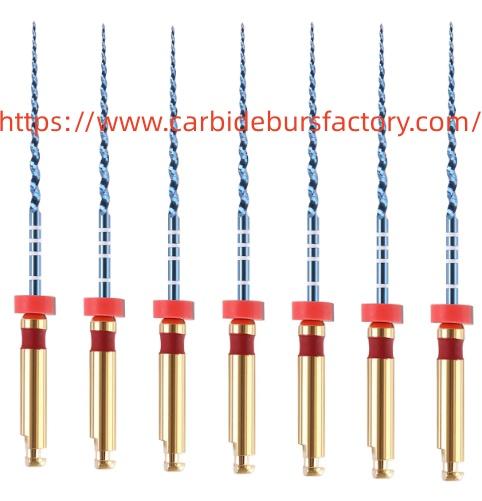
Rotary Files Factory refers to a manufacturing operation focused on producing rotating cutting tools used for material removal, shaping, deburring, and finishing. In metalworking environments, these tools are commonly paired with electric or pneumatic equipment to work on areas that may be difficult to process with conventional hand tools. Applications include weld preparation, edge treatment, contouring, cavity finishing, and removal of unwanted material. Carbide rotary tools are also used across machinery, automotive, fabrication, marine, and other industrial settings.
What Does Production Usually Involve?
The production process begins with selecting suitable tool materials and determining the geometry required for the intended application. Tool shape matters because cylindrical, ball, cone, tree, flame, and other profiles are suited to different surfaces and contours.
After forming the cutting head, manufacturers create the cutting teeth or flutes. These cutting patterns influence how material is removed and how the tool behaves during operation. Single-cut and double-cut configurations, for example, are commonly used for different metalworking requirements.
The shank is another important part of production. It must match the equipment used by the operator, while the overall tool geometry needs to support stable handling. Proper finishing and inspection are also necessary before tools are prepared for shipment.
How Do These Tools Support Deburring?
Deburring is one of the common reasons manufacturers use rotating cutting tools. Machined, cast, forged, and welded components can develop unwanted edges or excess material during production. A rotary cutter allows workers to remove these areas with controlled movement.
This is particularly useful when parts have narrow openings, curved surfaces, internal sections, or irregular contours. Instead of relying entirely on manual filing, operators can use powered equipment to reach specific areas more efficiently. Carbide rotary tools are commonly associated with deburring, weld finishing, chamfering, and contour work.
Where Are They Used In Metal Fabrication?
Different workshops have different processing requirements. Automotive component production may involve weld cleanup and porting. Machinery manufacturing can require edge treatment, cavity finishing, and surface preparation. Foundries may use rotary cutters to clean cast components, while repair workshops can need them for localized material removal.
The choice of tool should follow the material being processed. Steel, stainless steel, cast iron, aluminum, and various alloys can require different cutting approaches. Tool shape should also correspond with the work area. For example, cylindrical profiles can suit flatter surfaces, while rounded or pointed forms can help with curved or confined sections.
Why Does Tool Geometry Matter?
A suitable geometry helps operators control where material is removed. A tool that is too large may be difficult to position in a narrow cavity, while a profile that does not match the surface can make finishing work less convenient.
Cut pattern also affects the working experience. Some configurations are intended for general material removal, while others are selected when faster cutting or reduced chatter is desired. The correct choice therefore depends on the workpiece, processing stage, equipment, and desired surface condition.
What Should Buyers Consider?
Industrial buyers can evaluate several practical factors before ordering. Material compatibility should come first, followed by tool shape, cutting pattern, shank compatibility, and intended application. Packaging, batch consistency, communication, and production coordination can also influence purchasing decisions for workshops with recurring requirements.
For businesses handling several types of metalwork, having access to different profiles can make tool selection easier across production stages. A clear understanding of the actual application can also help reduce unnecessary purchases and improve inventory planning.
How Can Carbidebursfactory Support Metalworking Projects?
Carbidebursfactory focuses on rotary tooling for applications involving cutting, shaping, deburring, weld treatment, and finishing. The product selection can support workshops that need different tool forms for different workpieces and processing conditions.
For buyers comparing options, practical communication about the intended material, equipment, application, and required tool shape can help create a more suitable purchasing plan. Rather than choosing only by appearance or price, manufacturers can consider how each tool will fit the actual workflow.
As metalworking projects continue to involve varied shapes, materials, and finishing requirements, dependable tooling selection remains an important part of workshop planning. Businesses looking for rotary cutting solutions can review the available product range at the official https://www.carbidebursfactory.com/product/


 English
 Arabic
 French
 Spanish
 Portuguese
 Deutsch
 Turkish
 Dutch
Dutch
 Italiano
 Russian
 Portuguese (Brazil)
 Greek
Greek