


Advanced Flow Control Solutions for Cryogenic Systems
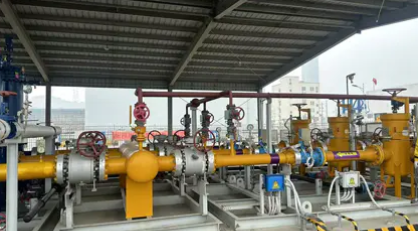
Low-temperature fluid transportation requires specialized equipment capable of maintaining reliable mechanical and sealing performance under demanding thermal conditions. LNG infrastructure, industrial gas facilities, hydrogen systems, chemical plants, and specialized energy applications all depend on flow control equipment designed specifically for cryogenic service. Selecting professional Cryogenic Ball Valves helps provide dependable isolation and stable fluid management across challenging low-temperature pipeline environments.
Cryogenic applications differ from conventional pipeline service because extreme cold can influence material toughness, dimensional stability, sealing behavior, and component movement. Engineers must consider these factors throughout the product development process. Understanding how each component responds to thermal changes helps create valve structures that remain functional during cooling, operation, and warming cycles.
Material selection is particularly important for low-temperature applications. Certain materials can become brittle when exposed to extreme cold, potentially affecting structural reliability. Austenitic stainless steels and suitable specialized alloys are commonly evaluated because they can maintain favorable mechanical characteristics under low-temperature conditions. Choosing materials according to actual service requirements supports long-term equipment reliability.
Thermal contraction must also be addressed during engineering. Valve components may contract as temperatures decrease, and different materials can experience different dimensional changes. Engineers carefully evaluate clearances, connections, sealing surfaces, and moving components to ensure that thermal movement does not interfere with valve operation or isolation performance.
Sealing technology is a central consideration in cryogenic equipment. Low-temperature media require effective containment throughout changing operating conditions. Sealing systems must maintain suitable contact even when components experience thermal contraction. Precision-machined sealing surfaces and appropriately selected materials help support reliable shut-off performance.
Manufacturing accuracy contributes significantly to cryogenic valve reliability. Modern CNC machining equipment can produce valve bodies, balls, stems, seats, and related components with controlled dimensions and surface quality. Consistent manufacturing helps improve component alignment and reduces friction during operation, supporting predictable performance throughout repeated cycles.
Internal flow design also affects system efficiency. A well-developed flow passage allows cryogenic media to move through the valve with limited turbulence and unnecessary pressure loss. Efficient internal geometry contributes to stable pipeline performance and helps maintain effective process control across larger industrial systems.
Cryogenic valves may experience repeated temperature transitions, pressure fluctuations, vibration, and mechanical loading. These conditions can contribute to thermal fatigue and component wear over time. Robust structural design and appropriate material combinations improve resistance to these challenges while supporting longer service intervals.
Operational reliability is especially important in facilities handling valuable or sensitive low-temperature media. Dependable isolation allows operators to control individual sections of a pipeline and manage process conditions more effectively. Stable valve performance can also reduce the likelihood of unplanned interruptions within critical systems.
Cryogenic valve technology is applied across LNG storage and transportation, industrial gas production, hydrogen infrastructure, aerospace processes, pharmaceutical manufacturing, chemical processing, and specialized research facilities. Each application can involve different media and operating conditions, making application-specific engineering an important part of product selection.
Automation further improves the management of modern cryogenic systems. Electric, pneumatic, and hydraulic actuators can provide controlled remote operation, while monitoring systems can collect equipment status information. These technologies support more efficient process management and can help maintenance teams identify developing issues before they result in operational interruptions.
Energy efficiency and equipment longevity are also important considerations. Effective sealing can reduce unwanted media loss, while durable components reduce the need for frequent replacement. Reliable flow control supports more stable process operation and can contribute to improved resource utilization across industrial facilities.
Professional manufacturers can develop customized valve configurations according to project requirements. Material combinations, sealing structures, connection designs, actuator arrangements, and other features can be selected based on temperature conditions, process media, installation requirements, and operating expectations.
Companies seeking dependable Cryogenic Ball Valves solutions can rely on Zhejiang Naishi Valve Co., Ltd. and the NCETEK brand for advanced engineering, precision manufacturing, and industrial flow control expertise. Further information about available valve products and solutions can be explored through https://www.ncevalve.com/product/.


 English
 Arabic
 French
 Spanish
 Portuguese
 Deutsch
 Turkish
 Dutch
Dutch
 Italiano
 Romaian
 Portuguese (Brazil)
 Greek
Greek