


When Is an LT Panel Required in a Manufacturing Facility?
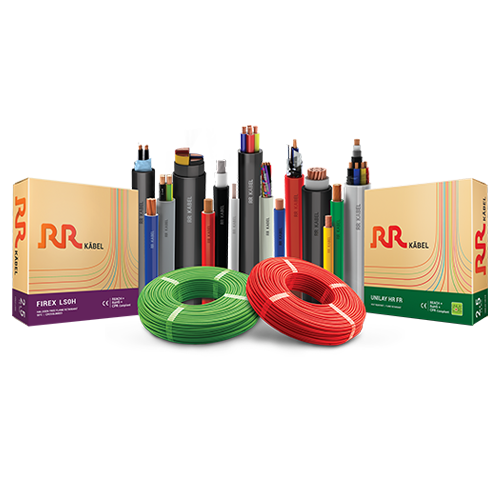
A manufacturing facility relies on a continuous and well-managed power supply to keep machinery, equipment, and production processes operating efficiently. As electrical systems become more complex and power demands increase, managing electricity safely and effectively becomes a critical requirement. This is where Low Tension (LT) Panels play a vital role.
But when exactly does a manufacturing facility need an LT Panel? Understanding the situations that require an LT Panel can help businesses ensure operational safety, improve energy management, and maintain uninterrupted production.
What Is an LT Panel?
An LT Panel, or Low Tension Panel, is an electrical distribution panel that operates at voltages up to 1,000 volts. It receives power from transformers, generators, or utility connections and distributes it to various electrical loads within the facility. LT Panels also provide protection, monitoring, and control functions for electrical systems.
Situations When an LT Panel Is Required
1. When Multiple Machines Need Power Distribution
Manufacturing facilities often operate numerous machines simultaneously. Supplying power directly to each machine without a centralized distribution system can create safety risks and operational challenges. An LT Panel becomes essential for distributing power efficiently and safely across different equipment and production areas.
2. During Facility Expansion
As manufacturing operations grow, additional machinery, production lines, and electrical equipment are added. An LT Panel is required to manage the increased electrical load and ensure that power is distributed without overloading existing circuits.
3. When Electrical Safety Is a Priority
Industrial environments face risks such as short circuits, overloads, and electrical faults. LT Panels include protective devices like circuit breakers and relays that help prevent accidents, equipment damage, and costly downtime. Any facility aiming to maintain high safety standards should incorporate LT Panels into its electrical infrastructure.
4. For Automated Manufacturing Systems
Modern manufacturing facilities increasingly depend on automation, robotics, and process control systems. These technologies require a stable and controlled power supply. LT Panels provide the centralized control and protection necessary for reliable operation of automated systems.
5. When Backup Power Systems Are Installed
Facilities using diesel generators, solar power systems, or other backup energy sources need a mechanism to manage power transfer and distribution. LT Panels help integrate multiple power sources while ensuring smooth transitions during power outages or fluctuations.
6. To Monitor and Manage Energy Consumption
Manufacturers seeking to improve energy efficiency often install LT Panels equipped with metering and monitoring systems. These panels provide valuable insights into power usage patterns, helping businesses identify opportunities to reduce energy costs and improve operational efficiency.
7. When Compliance With Electrical Standards Is Required
Industrial facilities must comply with various electrical safety regulations and standards. LT Panels help organizations meet these requirements by incorporating approved protection, control, and monitoring features that support safe and compliant operations.
Industries That Commonly Require LT Panels
LT Panels are widely used across manufacturing sectors such as:
- Automotive manufacturing
- Pharmaceutical production
- Food and beverage processing
- Textile manufacturing
- Chemical industries
- Engineering and fabrication units
- Packaging facilities
- Plastic and rubber processing plants
Regardless of the industry, any facility with significant electrical loads can benefit from a properly designed LT Panel system.
Benefits of Installing an LT Panel at the Right Time
Improved Operational Reliability
Centralized power distribution reduces the risk of electrical failures and production interruptions.
Enhanced Equipment Protection
Sensitive machinery is protected from overloads, short circuits, and voltage fluctuations.
Better Load Management
Electrical loads can be balanced effectively, improving overall system performance.
Reduced Downtime
Fault detection and isolation become faster, minimizing disruptions to manufacturing operations.
Future-Ready Infrastructure
LT Panels can be designed to accommodate future expansion, making it easier to scale operations.
Conclusion
An LT Panel becomes essential in a manufacturing facility whenever there is a need for safe, efficient, and reliable power distribution. Whether the facility is expanding, implementing automation, integrating backup power systems, or improving energy management, LT Panels provide the control and protection necessary for smooth industrial operations.
By installing the right LT Panel at the appropriate stage of facility development, manufacturers can enhance safety, reduce downtime, optimize energy usage, and support long-term business growth.


 English
 Arabic
 French
 Spanish
 Portuguese
 Deutsch
 Turkish
 Dutch
Dutch
 Italiano
 Russian
 Portuguese (Brazil)
 Greek
Greek